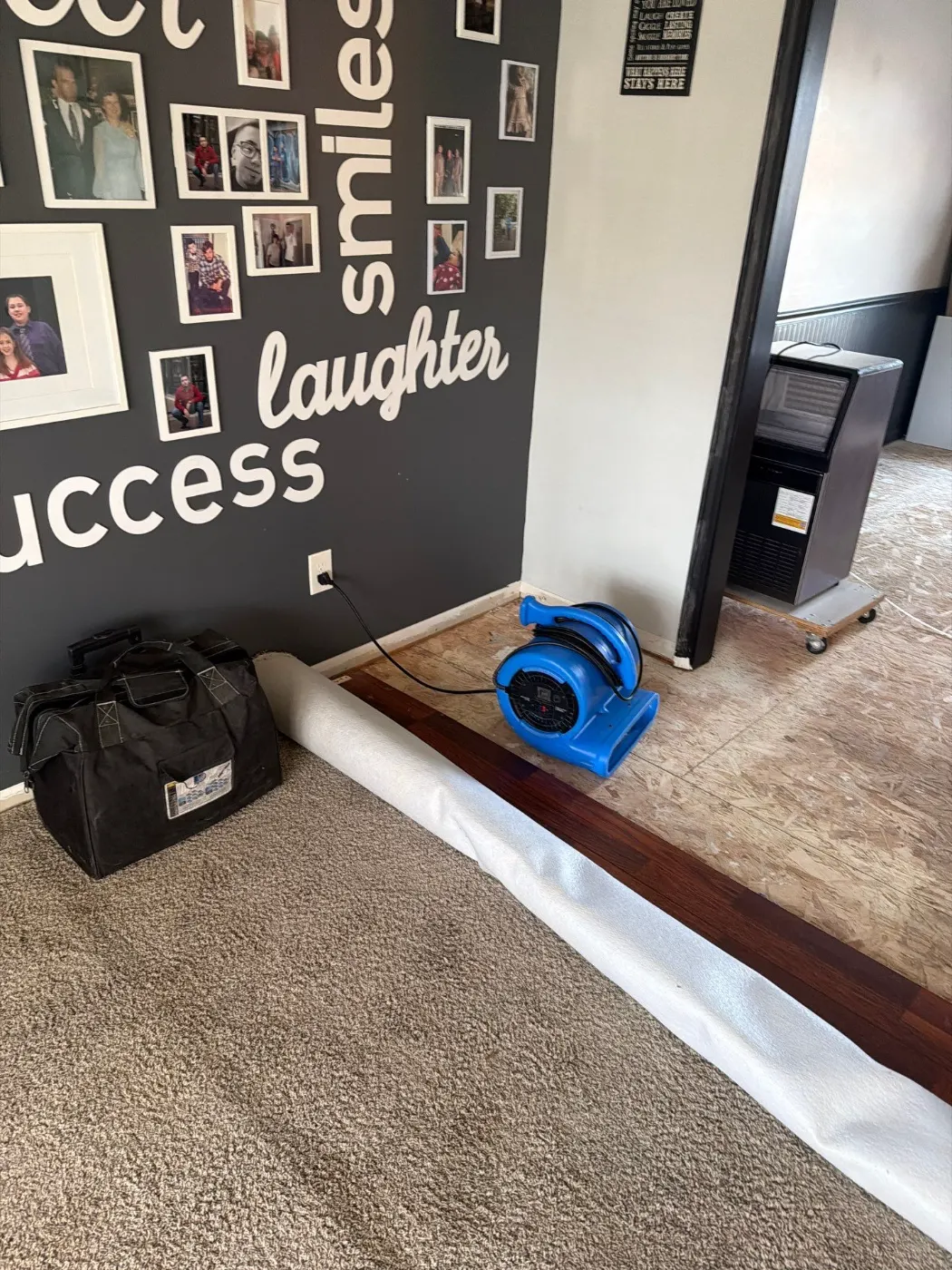
Commercial Mold Remediation in Sawgrass, IN
Commercial mold work in Sawgrass scoped from moisture readings, contained for occupied space, and documented for ownership.
Need Commercial Mold Remediation in Sawgrass? Sawgrass Water Restoration schedules certified assessments, delivers written scopes before any work starts, and coordinates with your insurance carrier on approved claims. Call (765) 703-7292.
- Service: Commercial Mold Remediation for Sawgrass homeowners
- Service area: Sawgrass, IN and surrounding areas
- Response time: Inspection scheduled quickly, written scope follows the visit
- Licensed and insured (License #RC21100059)
- Serving Sawgrass, IN since 2018
Commercial Mold Removal in Sawgrass
We'll find the moisture behind mold growth in commercial buildings across Sawgrass and remove the growth inside containment.
Moisture Sources Here
Clay soil around Sawgrass holds water against foundation walls after heavy rain, which keeps lower levels damp. Buildings near Fall Creek and Geist Reservoir can take on floodwater, and anything left wet afterward can grow mold. We'll go over the air handling and any past leaks on the first walkthrough with whoever runs the building.
We take commercial mold jobs anywhere in Sawgrass, including the streets around Hamilton Southeastern High School and Fishers High School. We also handle commercial mold work in Britton Falls, Hawthorn Hills, Fall Creek Township and Legends of Geist.
Commercial Mold Remediation for Sawgrass Businesses
Roof leaks that got patched years ago leave evidence in the insulation long after the roofing work is closed out. The membrane stopped leaking, the deck dried, and the saturated batt above the ceiling grid never did. Sawgrass Water Restoration investigates that history on Sawgrass commercial buildings with moisture meters and thermal imaging, then scopes removal of whatever stayed wet long enough to support growth, under containment that keeps the occupied space below out of it.
Sawgrass Water Restoration handles the rebuild after verification, from framing repairs and insulation to gypsum board, ceiling grid and tile, flooring and paint. The rebuild scope comes from the same survey that drove the removal, so what goes back in your Sawgrass building matches what came out. You approve it in writing, and the team coordinates finishes with your architect or space planner.
Monitoring continues daily while equipment is running. A crew member checks containment integrity, verifies the negative air machines are still pulling and the HEPA filters aren't loaded, takes moisture readings at the same marked locations, and notes anything that changed. Sawgrass Water Restoration logs each visit. On a property in Sawgrass where the work spans a week or more, that log shows the drying progressed while the equipment sat in the room.
A long running leak and a pipe that failed last Tuesday get treated very differently by a commercial policy. Sawgrass Water Restoration documents what the building shows, including the condition of the materials and the moisture pattern, without shaping the narrative to fit a coverage outcome. The adjuster gets photos, readings, a written scope and the removal records. You and your carrier decide what happens next.
Chronic damp in a mechanical room, a chase or behind refrigeration equipment deserves an inspection before it becomes a tenant letter. Sawgrass Water Restoration inspects commercial properties across Sawgrass and Hamilton County on a scheduled visit. You get the moisture findings, the affected boundary, and a written scope you can take to ownership.
Signs You Need Commercial Mold Remediation
If you notice any of these in your Sawgrass building, schedule a free inspection before the issue worsens.
Discolored growth on the back of casework or millwork pulled away from an outside wall
Loading dock leveler pits that collect water beside an office or break room wall
Flooring adhesive letting go in one localized patch, with tiles lifting or releasing at the edges
Water cleanup by maintenance staff that used fans alone, with the walls never opened
A damp smell in a main lobby or stairwell that nobody noticed six months ago
Ceiling tiles with staining on the back side that only shows when you lift one out of the grid
Dark staining along the caulk line behind a janitor sink or restroom fixture
Vinyl wall covering bubbling or peeling at the seams, usually worst near the base
Mechanical room floor drains that hold standing water for days after a rain
Door frames and wood casing that have swollen and stained near an exterior entry
How Sawgrass Water Restoration Handles Commercial Mold Remediation
We follow these steps in order on every Sawgrass job.
Protocol and Consultant Review
When an industrial hygienist or an engineer is involved, Sawgrass Water Restoration reviews their documents with them before the scope is finalized. Containment limits and verification steps get reconciled with the building's constraints on paper first.
Written Scope and Approval
The Sawgrass Water Restoration team puts the findings in writing: containment boundary, which assemblies come out, which get cleaned in place, and the moisture source that has to be corrected. The building owner or property manager approves it before any material is disturbed.
Phasing for Occupied Floors
Where part of the floor has to stay open, the work area is divided into zones that move in sequence. Each zone gets its own containment and readings before the barrier shifts to the next section.
Affected Material Removal
Porous material with growth in it comes out: saturated batt insulation, affected gypsum board and ceiling tile. Crews mist material before cutting, bag it inside containment, wipe the bags down, and carry them out through the decontamination entry on an agreed route.
HVAC Restart and Filter Change
After containment is down, the building engineer changes the filters on the affected air handler and restarts it with the registers unsealed. Any duct work flagged earlier goes to your HVAC contractor first.
Commercial Mold Remediation in Sawgrass
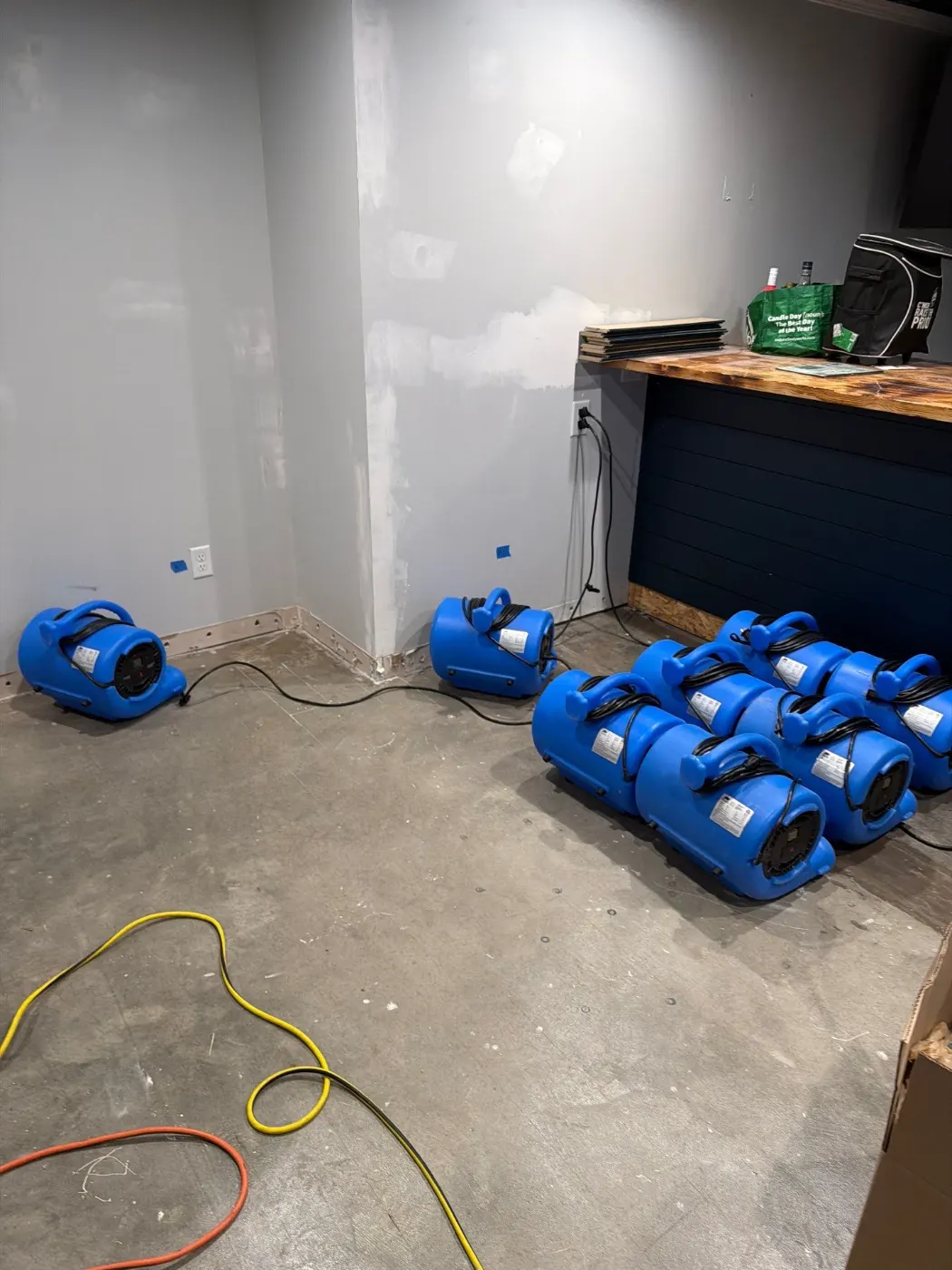
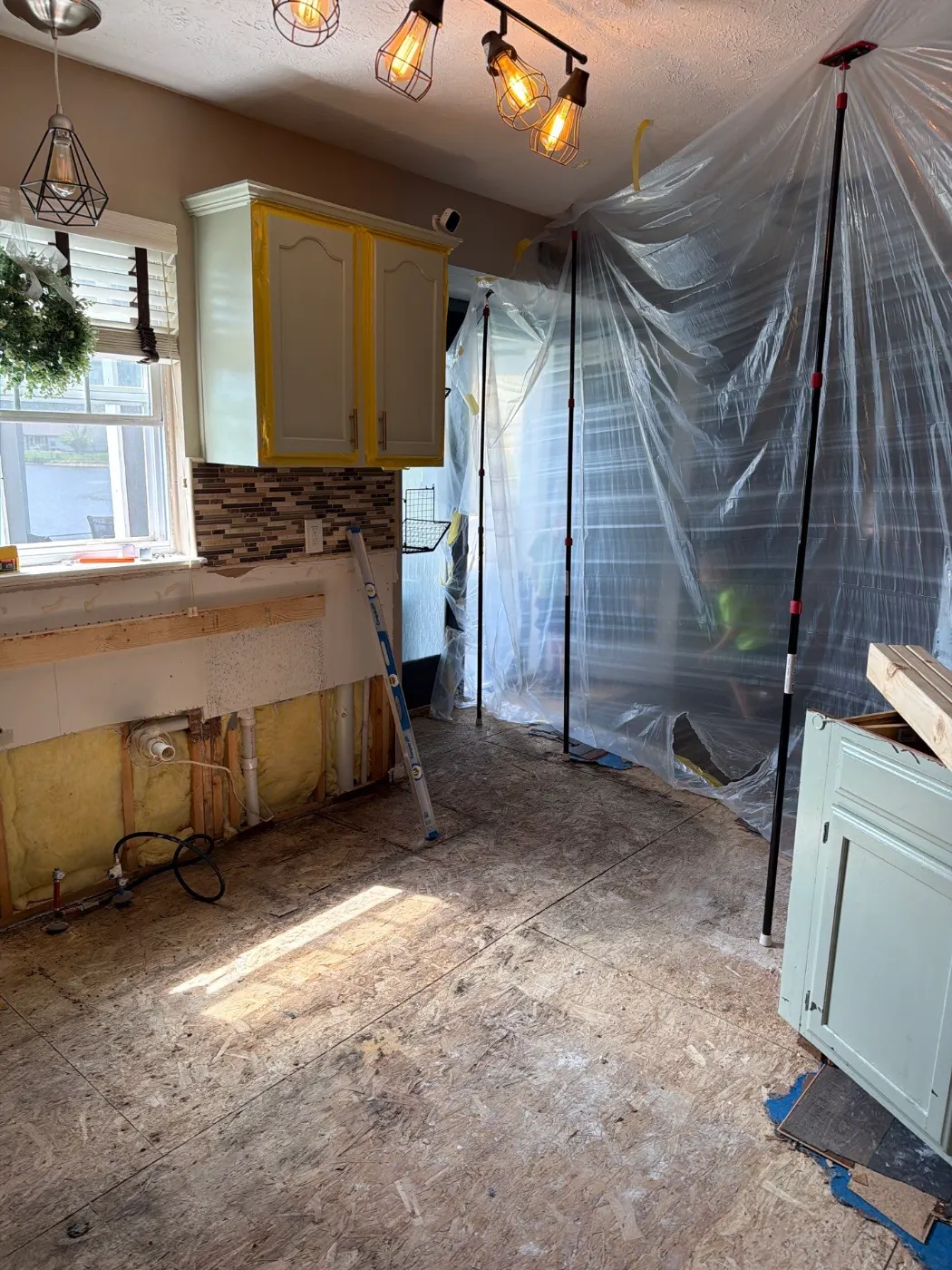
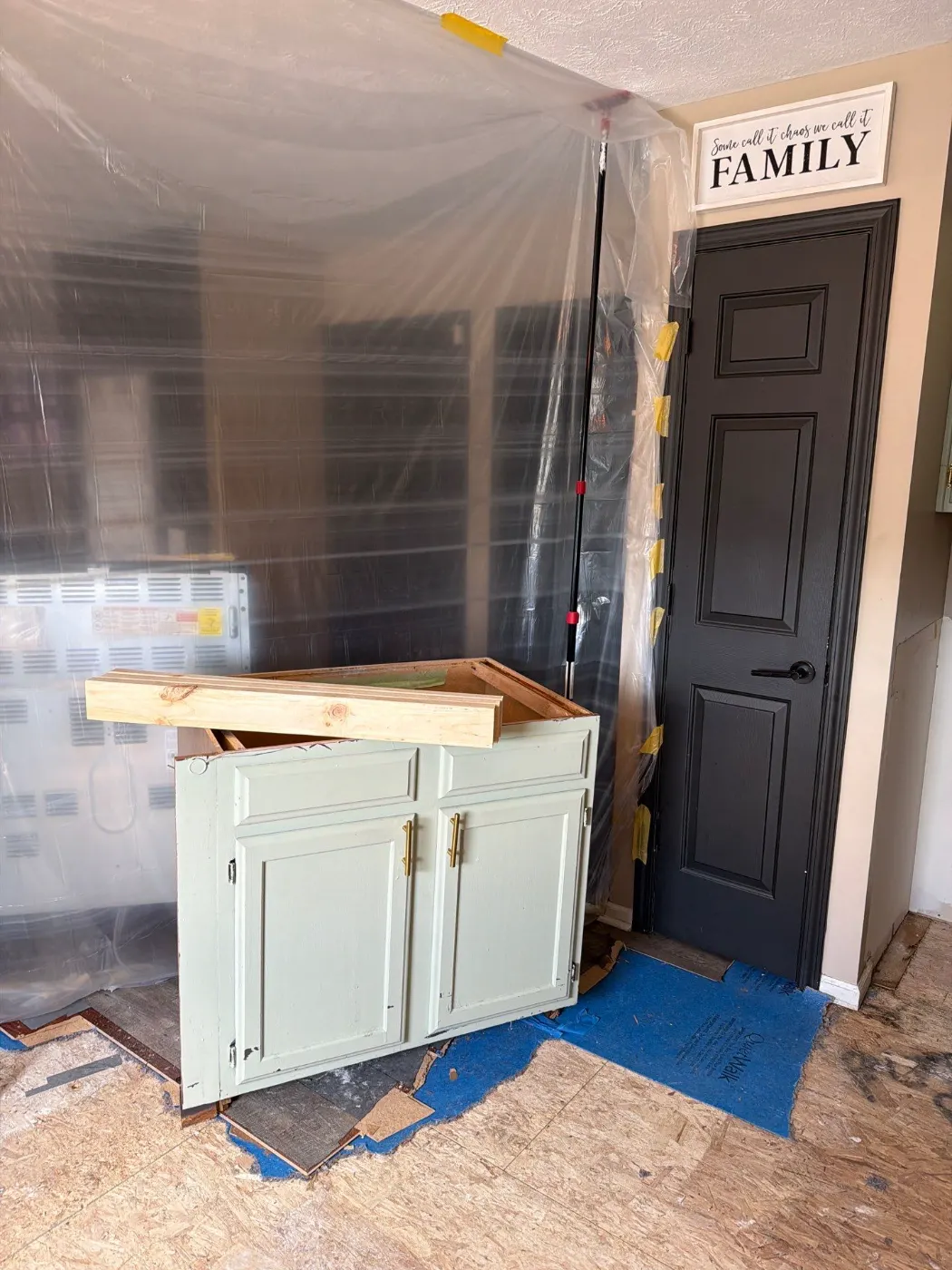
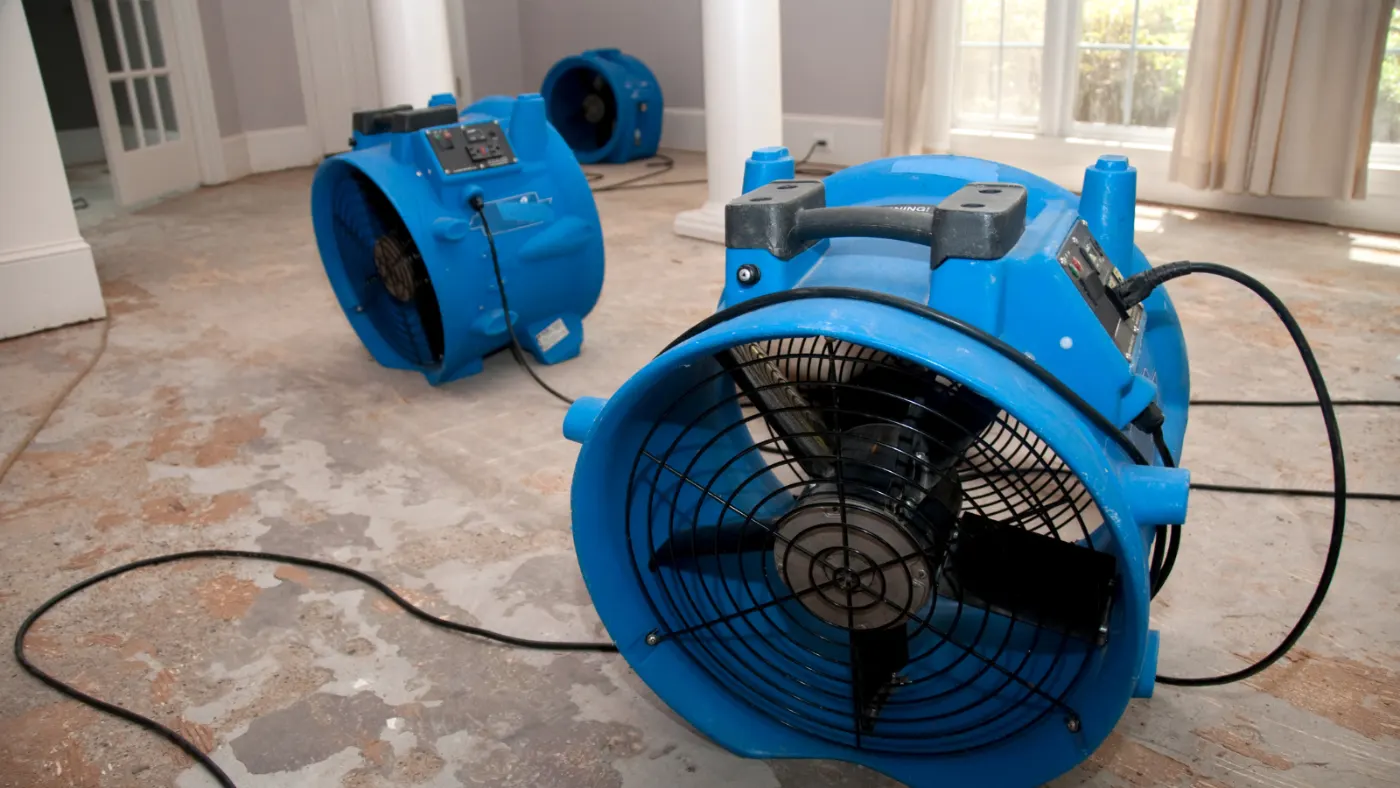
Photographs from real commercial mold remediation jobs completed by our crew in Sawgrass and surrounding areas.
Commercial Mold Remediation FAQ
Questions Sawgrass property managers ask us about commercial mold remediation.
Guidance and Standards for Commercial Mold Remediation
- The ANSI/IICRC S520 is the published standard for professional mold remediation. The current edition is the Fourth Edition, 2024. IICRC S520 Standard
- EPA’s mold guide says the key to mold control is moisture control. EPA: A Brief Guide to Mold, Moisture and Your Home
Sawgrass Neighborhoods We Serve
We take commercial mold remediation calls in every part of Sawgrass. Pick your neighborhood for local details.
Other Restoration Services in Sawgrass
Sawgrass Water Restoration handles the full scope of restoration work. Explore our other services below.
Water Damage Restoration in Sawgrass
24/7 emergency response. IICRC certified water restoration from extraction to full dry out.
Learn more →Basement Flooding in Sawgrass
Basement water emergencies handled fast. Extraction, drying, mold prevention.
Learn more →Sewage Cleanup in Sawgrass
Category 3 biohazard cleanup. Full containment, decontamination, structural restoration.
Learn more →Request Commercial Mold Remediation
Reach Us Directly
Our team is available 24/7 for emergencies and ready to schedule inspections during business hours.
Need Immediate Help?
For active water or mold emergencies, call us directly. We are available 24/7.