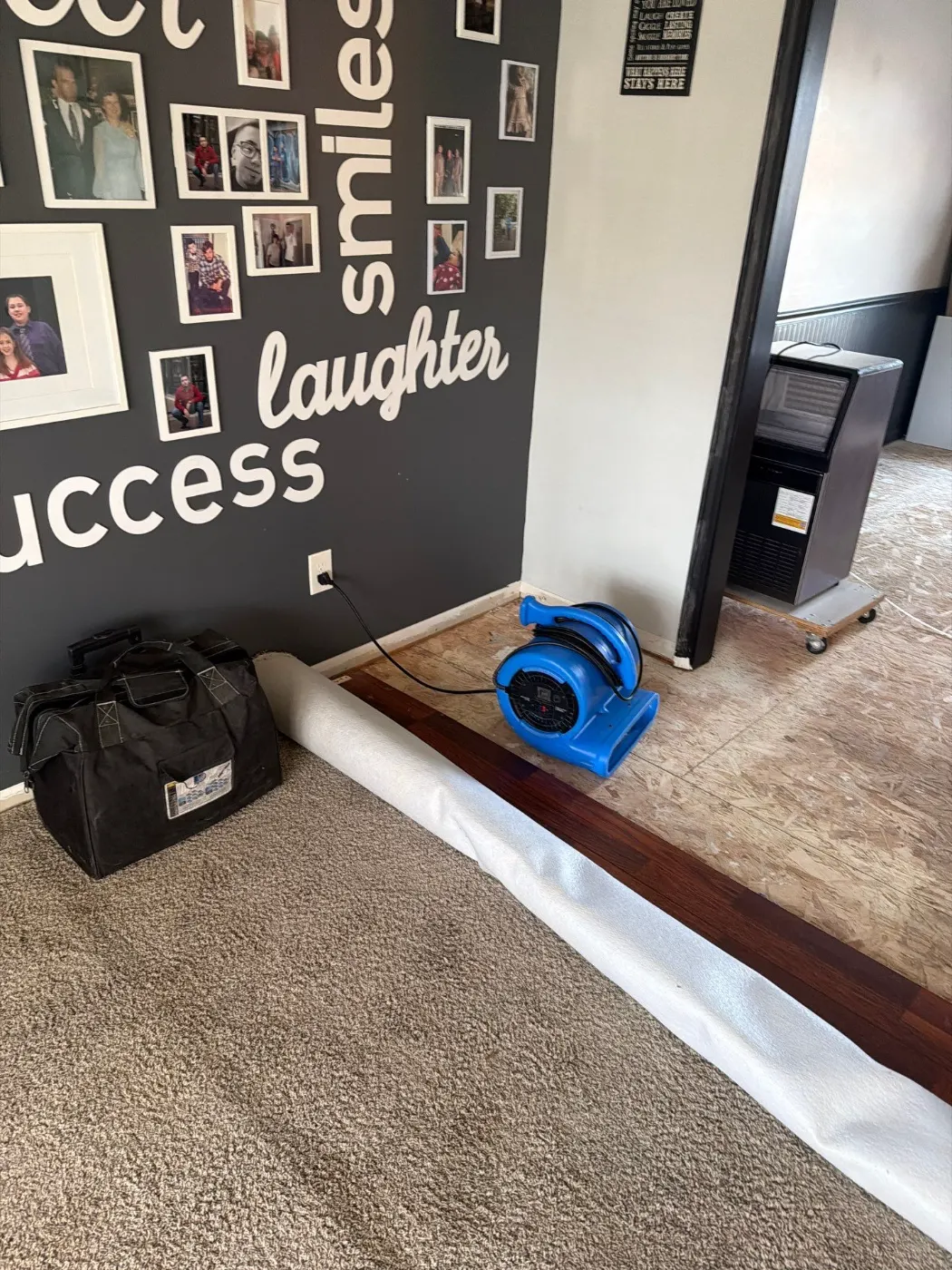
Commercial Sewage Cleanup in Sawgrass, IN
Grease line failures, main line backups and ejector pump losses handled across Sawgrass under sealed containment.
Sawgrass Water Restoration delivers Commercial Sewage Cleanup across Sawgrass and surrounding areas with certified crews available 24/7 and every step documented for insurance. Call (765) 703-7292.
- Service: Commercial Sewage Cleanup for Sawgrass homeowners
- Service area: Sawgrass, IN and surrounding areas
- Response time: Emergency water calls in Sawgrass get crews rolling, not callbacks
- Licensed and insured (License #RC21100059)
- Serving Sawgrass, IN since 2018
Commercial Sewage Cleanup for Sawgrass Businesses
When a heavy storm loads the municipal sewer near your Sawgrass property, the lowest floor drains in a building can start pushing water back up. That water counts as Category 3, and it reaches carpet and stored goods quickly. Sawgrass Water Restoration sets containment before extraction on those losses and photographs the drain and the water line on the walls for your file.
Mitigation and plumbing are separate jobs, and Sawgrass Water Restoration works alongside whoever clears your line in Sawgrass. The cleanup can start while the plumber is still cabling or camera scoping the lateral, as long as the flow has stopped. The crew notes the cause the plumber finds and writes it into the file, since that fact matters to everyone who reads it later.
Every Sawgrass Water Restoration job ends with clearance verification, which is a written record. Crews take final moisture readings on every previously wet material, compare them against unaffected reference readings in the same structure, inspect the cleaned surfaces, and photograph the condition the space is being handed back in. Equipment comes out after the verification is recorded, and your inspector reviews it from there.
Mitigation and reconstruction get documented separately on every Sawgrass Water Restoration job, because they're different kinds of work. The mitigation scope covers extraction, removal, cleaning, treatment, and drying with the readings that justified each piece. The rebuild scope is priced on its own once the space is dry and verified. Keeping them apart makes each one easy to read on its own.
One call to Sawgrass Water Restoration starts the sequence for your Sawgrass property: containment goes up and a documented file opens for the owner and the carrier. You'll get an update each day on what the crew did and what's left. Call when you want the contaminated area in the hands of a crew that works Category 3 losses.
Signs You Need Commercial Sewage Cleanup
If you notice any of these in your Sawgrass building, schedule a free inspection before the issue worsens.
Several fixtures in the same restroom block draining slowly at the same time of day
Drywall and base trim going soft along the bottom few inches of a restroom wall
An ejector pit high level alarm sounding, or a pit you can see standing full
Water seeping through a slab joint in a basement corner with a sewer smell
Water flowing from under a janitorial closet door into the corridor overnight
Several tenants on a shared line reporting slow drains on the same morning
Sewage pump running constantly without lowering the level in its pit
Prep sink backing up each time the dish machine drains
Odor returning days after a plumber cleared the line and declared it flowing
Drain flies showing up around floor sinks, mop basins, or a kitchen hand sink
How Sawgrass Water Restoration Handles Commercial Sewage Cleanup
We follow these steps in order on every Sawgrass job.
Dispatch and Assessment
A crew dispatches to the property within 2 hours. The lead walks the affected area with building staff, identifies the source and photographs the condition before anything gets touched or moved.
Waste Handling and Disposal
Bagged waste goes into a lined container staged near the exit and stays closed between loads. Hauling receipts and load counts go into the job file so the disposal record lines up with the removal scope.
Drain and Trap Cleaning
Floor sinks and trench drains get opened and scrubbed by hand so the antimicrobial that follows reaches clean surfaces. The crew photographs each drain before and after cleaning, and traps are checked for leftover debris.
Clearance Verification
Final moisture readings on every previously wet material get compared against unaffected reference readings in the same structure, the cleaned surfaces get inspected, and the condition is photographed. Equipment comes out after the verification is recorded in the file.
Independent Testing Coordination
When your carrier or health authority asks for third party testing, the office team schedules an independent hygienist and shares the crew's readings and photographs. The hygienist's report goes to the people who requested it.
Commercial Sewage Cleanup in Sawgrass
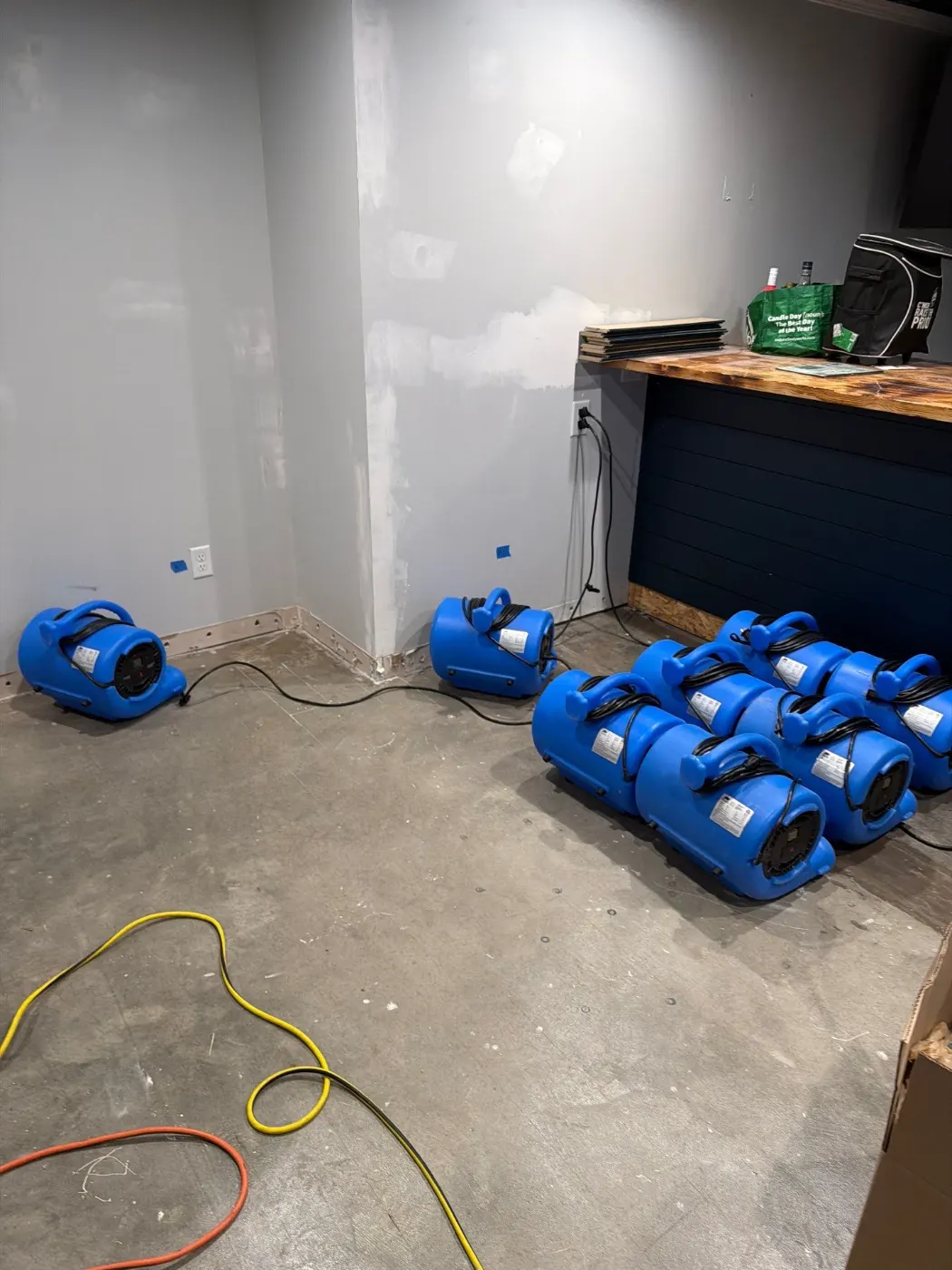
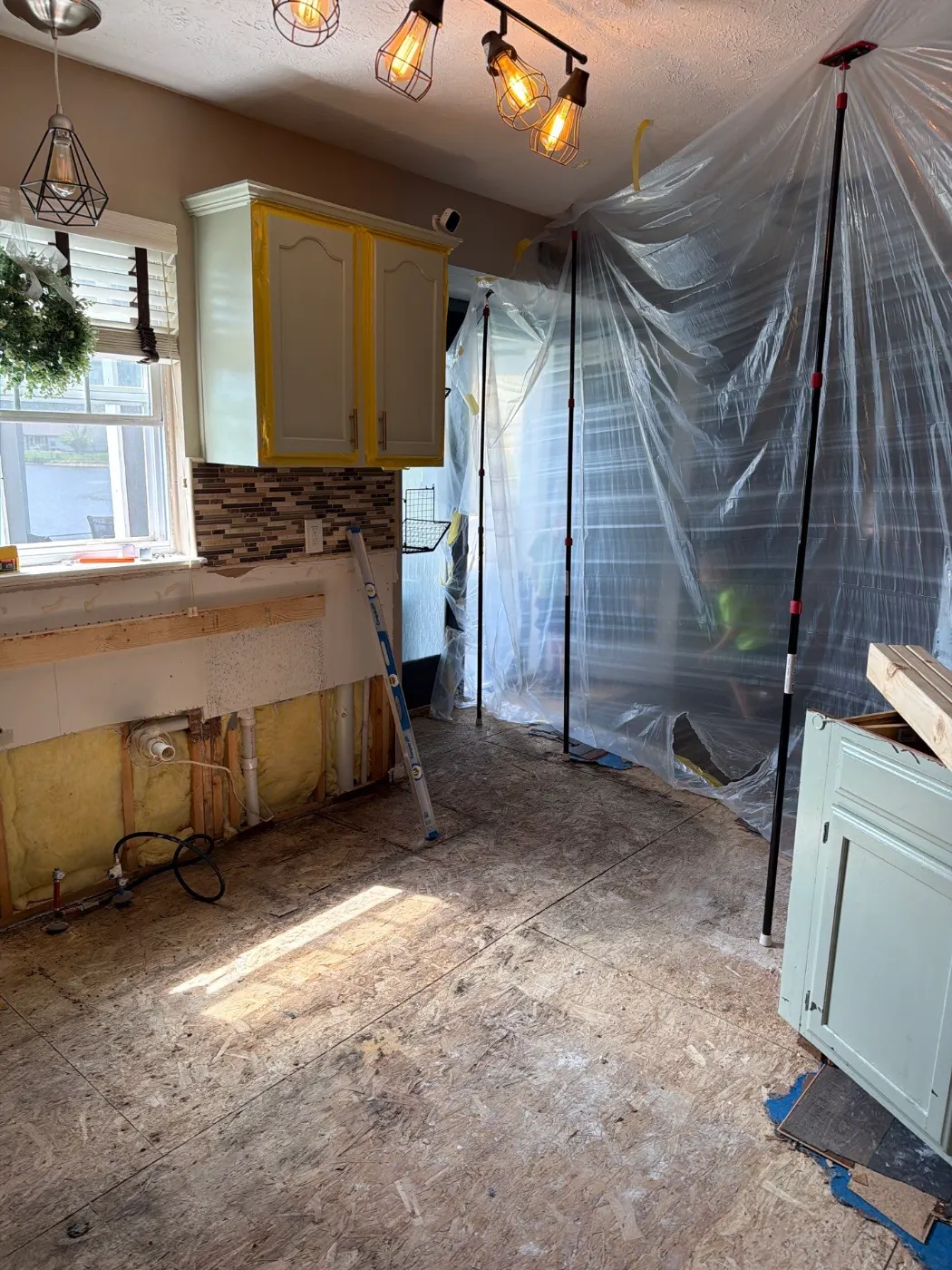
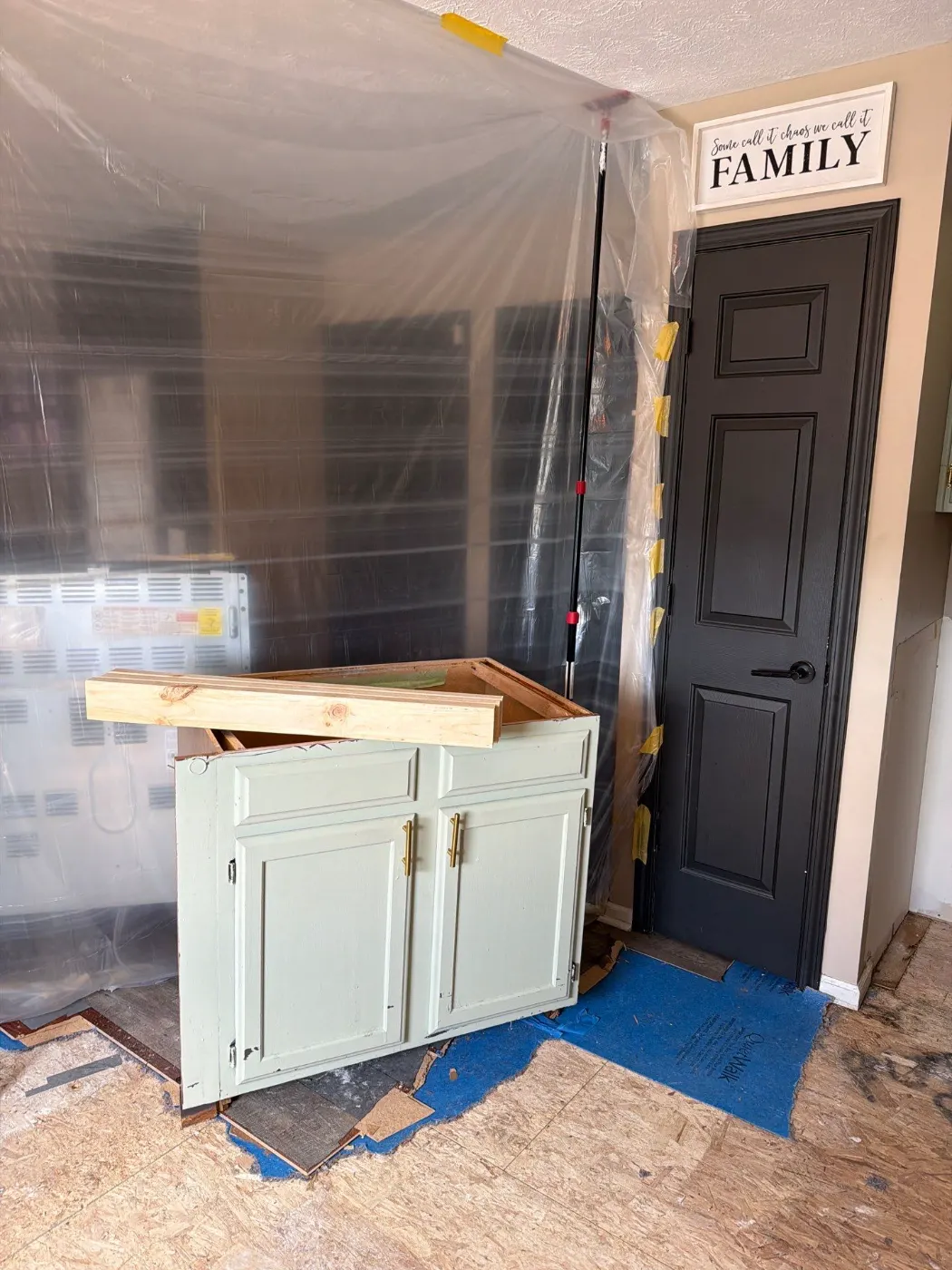
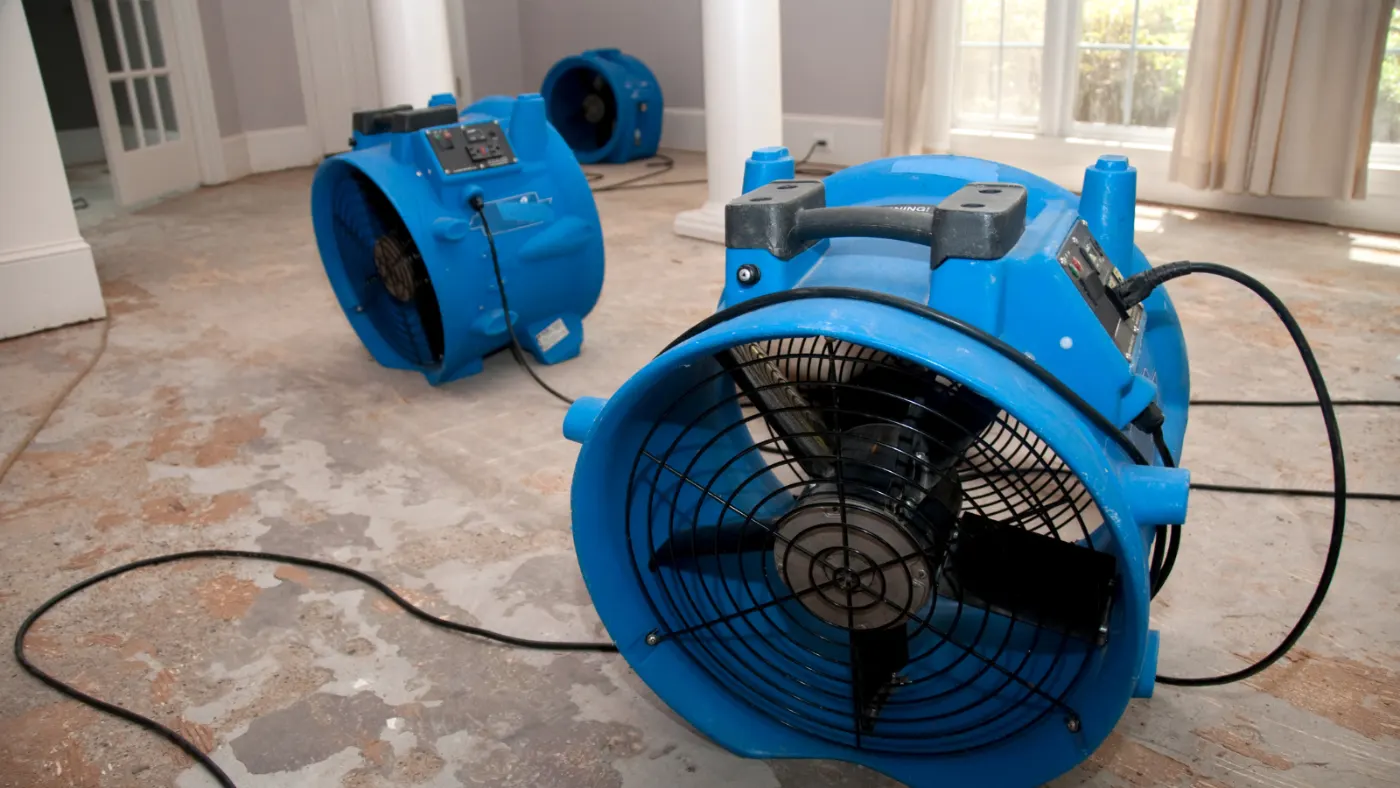
Photographs from real commercial sewage cleanup jobs completed by our crew in Sawgrass and surrounding areas.
Commercial Sewage Cleanup FAQ
Questions Sawgrass property managers ask us about commercial sewage cleanup.
Guidance and Standards for Commercial Sewage Cleanup
- The ANSI/IICRC S500 is the published standard for professional water damage restoration. The current edition is the Fifth Edition, 2021. IICRC S500 Standard
Sawgrass Neighborhoods We Serve
We take commercial sewage cleanup calls in every part of Sawgrass. Pick your neighborhood for local details.
Other Restoration Services in Sawgrass
Sawgrass Water Restoration handles the full scope of restoration work. Explore our other services below.
Water Damage Restoration in Sawgrass
24/7 emergency response. IICRC certified water restoration from extraction to full dry out.
Learn more →Basement Flooding in Sawgrass
Basement water emergencies handled fast. Extraction, drying, mold prevention.
Learn more →Sewage Cleanup in Sawgrass
Category 3 biohazard cleanup. Full containment, decontamination, structural restoration.
Learn more →Request Commercial Sewage Cleanup
Reach Us Directly
Our team is available 24/7 for emergencies and ready to schedule inspections during business hours.
Need Immediate Help?
For active water or mold emergencies, call us directly. We are available 24/7.