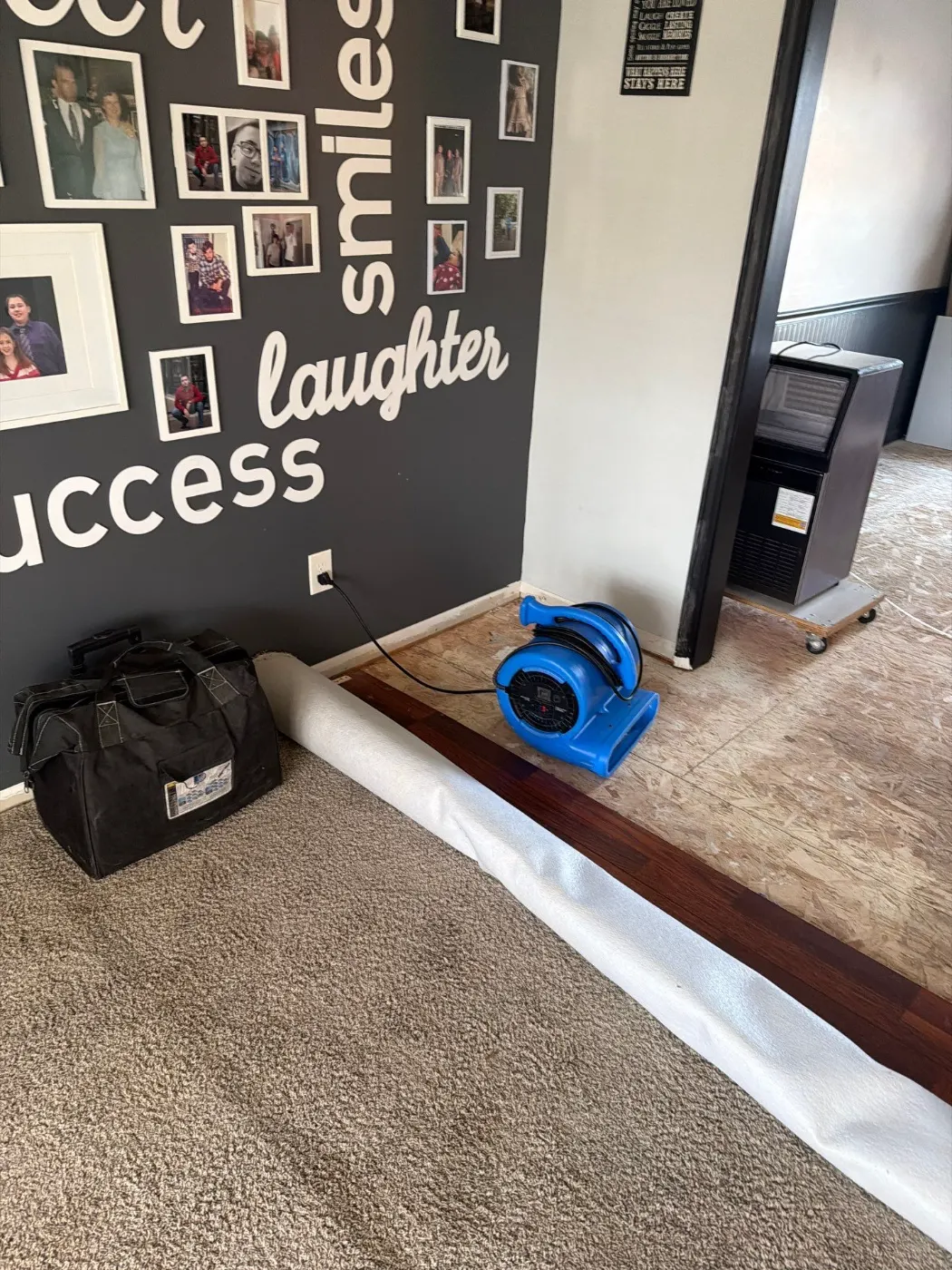
Sewage Cleanup in Sawgrass, IN
Sealed work zones and careful waste handling for sewage backups across Sawgrass and Hamilton County
For Sewage Cleanup in Sawgrass, Sawgrass Water Restoration brings the equipment, the certifications, and the paperwork: 24/7 response, written scopes, and insurance claim support. Call (765) 703-7292 for dispatch.
- Service: Sewage Cleanup for Sawgrass homeowners
- Service area: Sawgrass, IN and surrounding areas
- Response time: Fast local response for Sawgrass; live dispatch every hour of the year
- Licensed and insured (License #RC21100059)
- Serving Sawgrass, IN since 2018
Sewage Backup Cleanup in Sawgrass
We handle sewage backup cleanup across Sawgrass at any hour, and we'll bring the containment and protective gear sewage calls for.
Sewer Lines Here
Older homes here have aging sewer laterals. That's the pipe that carries waste out to the street sewer, and tree roots can work into its joints.
We work in every corner of Sawgrass, including Quaker Ridge at the Legends at Geist and the blocks around Hamilton Southeastern High School and Fishers High School. We also clean up sewage backups in Britton Falls, Hawthorn Hills, Fall Creek Township and Legends of Geist.
Expert Sewage Cleanup for Sawgrass Homeowners
Before you call your insurance company about a sewage backup in your Sawgrass home, read the part of your policy that covers sewer and drain backup, or ask your agent, since policies handle it in different ways. Sawgrass Water Restoration documents the damage with a photo report and walks you through what the crew found. The report lists the source, the affected square footage and everything that went out for disposal.
Cabinets and vanities need a closer look after a toilet overflow. What they're made of and what the meters read decide whether a box can stay, and particleboard that has swollen usually can't. The toe kick is where water wicks in and hides, so Sawgrass Water Restoration pulls it off and photographs the area behind it along with the moisture readings, then decides what stays in your Sawgrass home.
Weather changes how the drying goes. In winter the heat stays on in the work area, since cold slows drying, and in muggy summer weather the dehumidifiers carry more of the load. Sawgrass Water Restoration adjusts the equipment during the daily checks on your Sawgrass job and logs the temperature and humidity along with the moisture readings.
If containment makes part of your Sawgrass home unusable for a few days, that may sit under the loss of use coverage on your policy, and your carrier is the one to ask about it. Sawgrass Water Restoration documents which rooms were under containment and for how long, because dates are what that part of a claim runs on. Those dates go into your photo report with the readings and the photographs.
The plumber cleared the line and the floor is still wet, which is the point to phone Sawgrass Water Restoration. The crew will plan the cleanup and the drying for your Sawgrass home around what the plumber found, starting with the source and the water line.
Signs You Need Sewage Cleanup
If you notice any of these in your Sawgrass home, schedule a free inspection before the issue worsens.
Waste from an overflowing toilet running out the bathroom door and into the hallway carpet
Toilet water rising in the bowl when someone runs the kitchen sink
Neighbors on the same street reporting sewer backups on the same day as yours
Standing water in the crawl space with a sewage smell and insulation hanging down wet
Cardboard boxes on the basement floor with wicking stains and soft buckled bottoms
Every drain in a house on a septic system running slow after days of heavy rain
Sewage seeping around the access cap of a backwater valve after heavy rain
Greasy black film left on the floor after standing water goes back down the drain
An upholstered chair or mattress in the basement wet at the legs after a backup
Tile grout turning dark and sticky after standing sewage drained away
How Sawgrass Water Restoration Handles Sewage Cleanup
We follow these steps in order on every Sawgrass job.
Phone Intake
The first call sorts out where the water entered and whether more is on the way. The answers set the equipment list, and you get instructions for keeping everyone out of the area until the crew starts work in Sawgrass.
Emergency Dispatch
Sawgrass Water Restoration dispatches a crew to Sawgrass within 2 hours of the call. The truck arrives loaded with solids handling pumps, waste rated extraction units, HEPA air scrubbers, negative air machines, poly containment materials, respirators and disposable suits, so work starts on arrival.
Containment and Negative Air
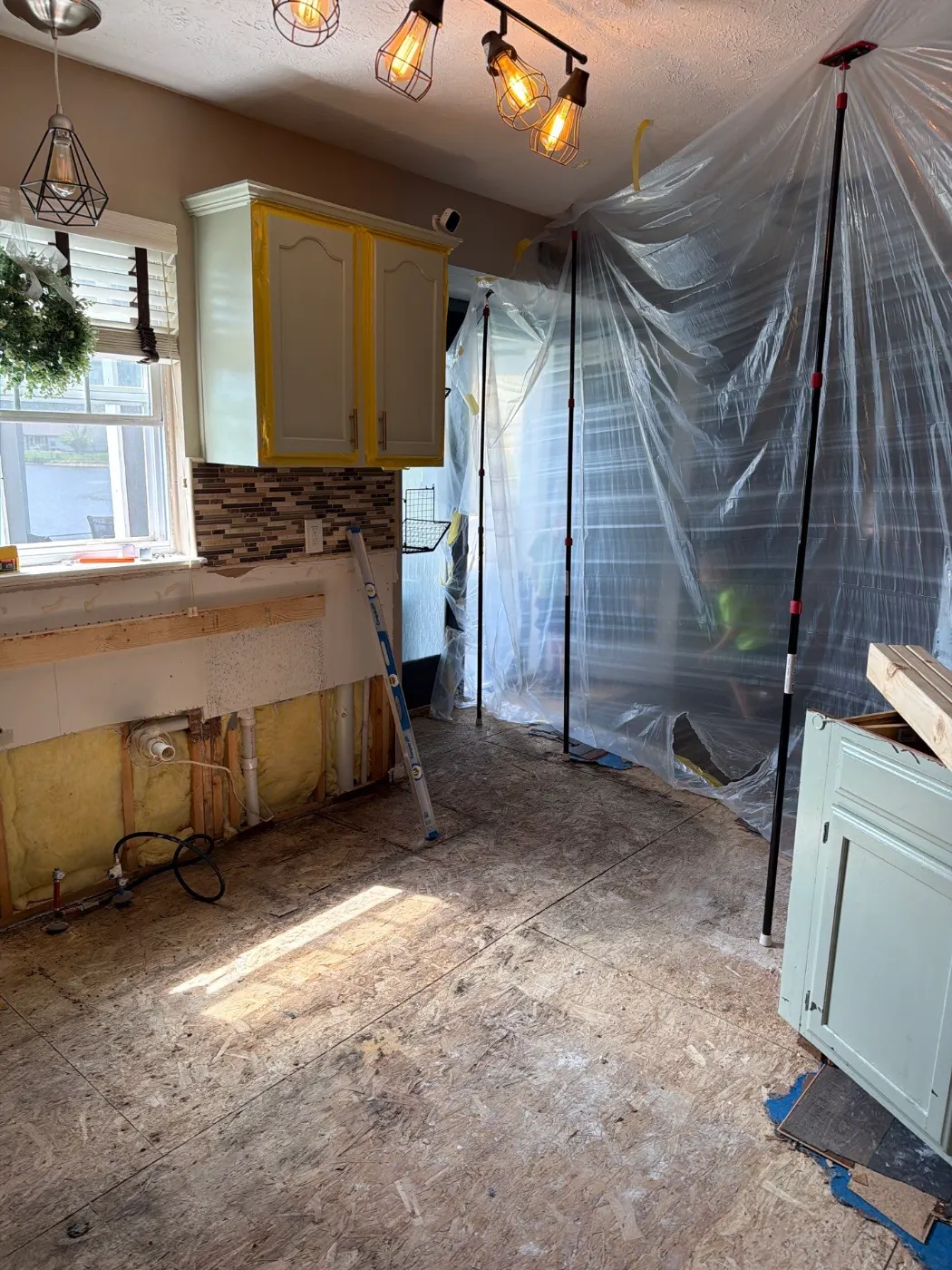
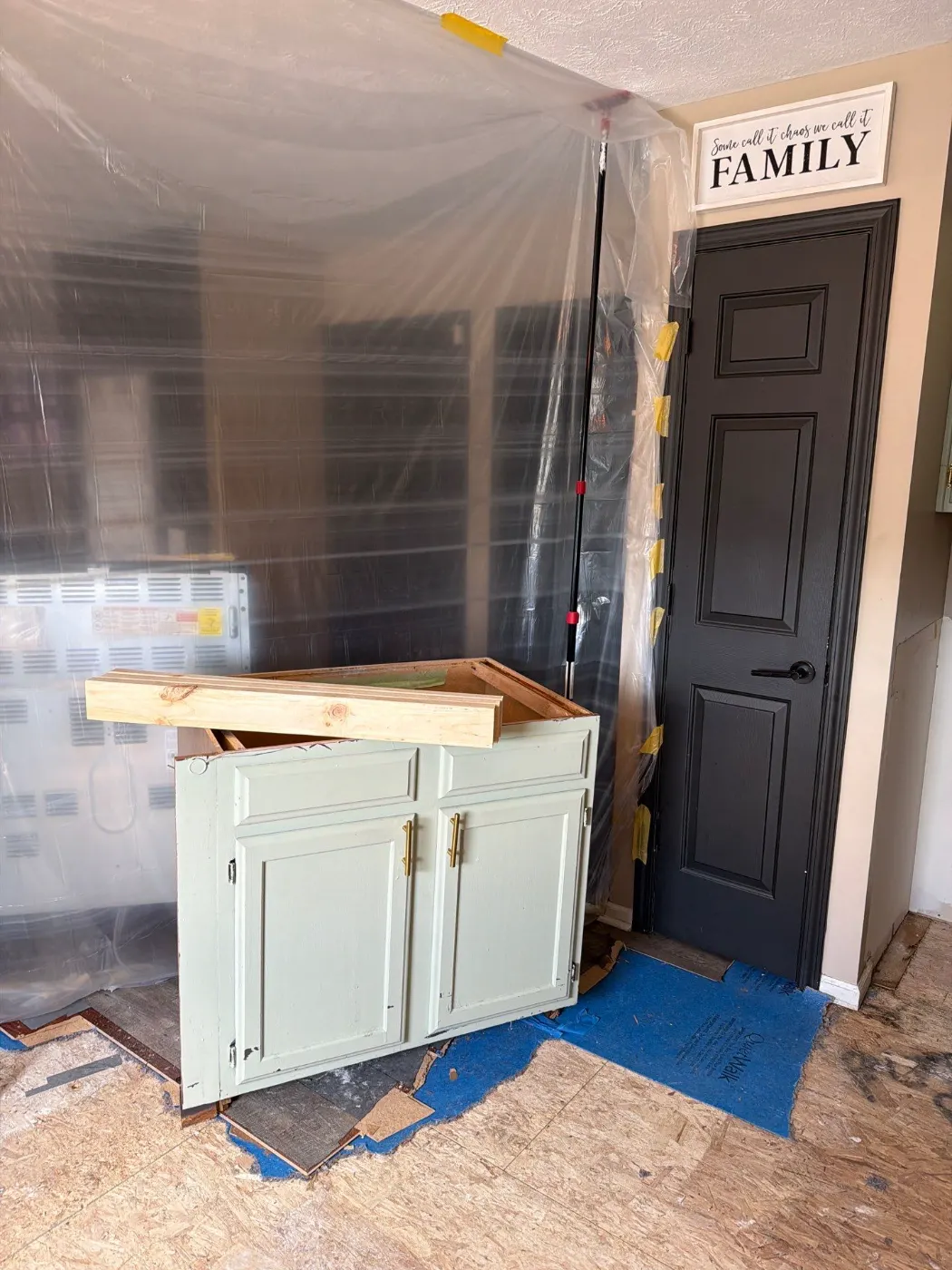
Poly sheeting and a zippered entry seal the work zone off from the rest of the house. A negative air machine ducted outside holds that room at lower pressure, and HEPA air scrubbers filter the air inside it while crews are working.
Drain and Pit Cleaning
Source points such as the floor drain and any ejector pit get scrubbed and disinfected after the main surfaces, since residue collects where the water came out. Photos before and after go into the job file.
Rebuild and Handoff
Insulation, drywall, trim and flooring go back over a structure that's been cleaned, treated and verified dry. Sawgrass Water Restoration hands over the documentation package, including source photographs, the daily moisture log, the disposal inventory and the clearance readings.
Sewage Cleanup in Sawgrass
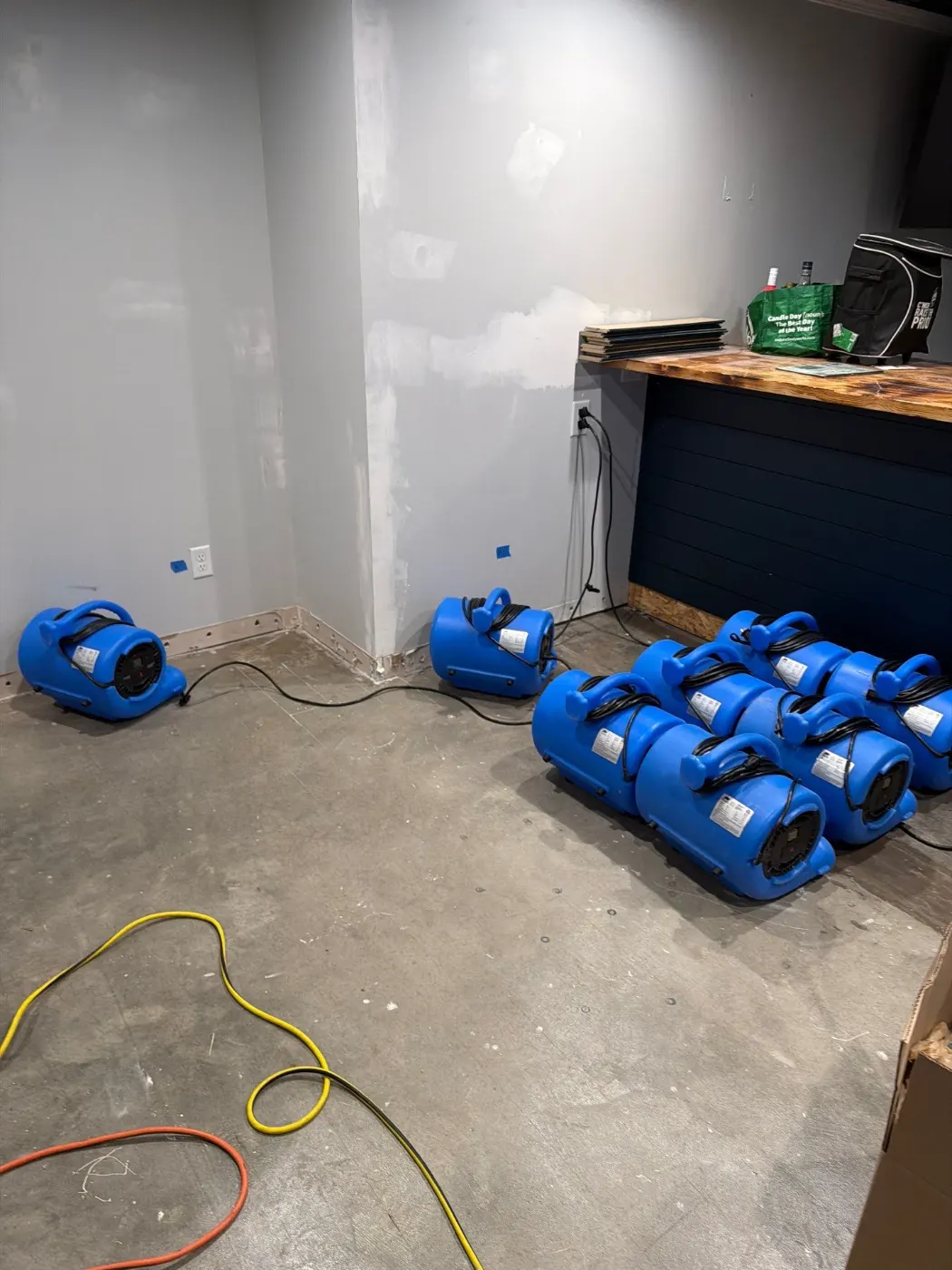
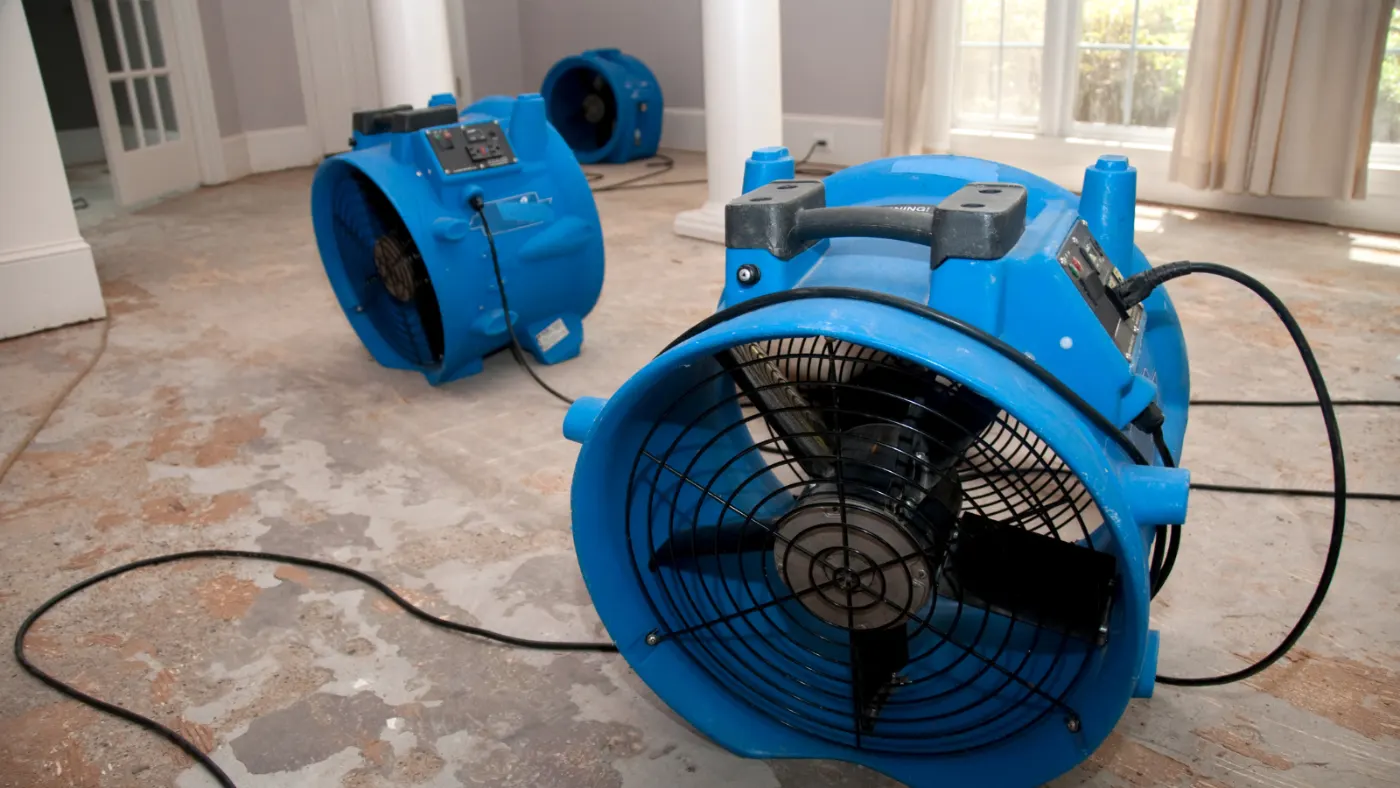
Photographs from real sewage cleanup jobs completed by our crew in Sawgrass and surrounding areas.
Sewage Cleanup FAQ
Questions Sawgrass homeowners ask us about sewage cleanup.
Guidance and Standards for Sewage Cleanup
- The ANSI/IICRC S500 is the published standard for professional water damage restoration. The current edition is the Fifth Edition, 2021. IICRC S500 Standard
- The Indiana Department of Insurance advises against permanent repairs before your insurance company inspects the damage. Check your own policy for what it covers. Indiana Department of Insurance: Insurance Claim Tips
Sawgrass Neighborhoods We Serve
We take sewage cleanup calls in every part of Sawgrass. Pick your neighborhood for local details.
Other Restoration Services in Sawgrass
Sawgrass Water Restoration handles the full scope of restoration work. Explore our other services below.
Water Damage Restoration in Sawgrass
24/7 emergency response. IICRC certified water restoration from extraction to full dry out.
Learn more →Basement Flooding in Sawgrass
Basement water emergencies handled fast. Extraction, drying, mold prevention.
Learn more →Storm Damage in Sawgrass
Storm related water emergencies. Tarping, extraction, drying, and full restoration.
Learn more →Request Sewage Cleanup
Reach Us Directly
Our team is available 24/7 for emergencies and ready to schedule inspections during business hours.
Need Immediate Help?
For active water or mold emergencies, call us directly. We are available 24/7.